Diary of A Recovering Sugar Addict, Day 301

Day 301

Day 301

Being in control is the solution, and not controlling everything is the challenge. Friday I went to a restaurant, a very good restaurant, in Kansas City called Revolve. The look and feel was what I imagine European cuisine to look like in Europe. The portions were bigger than French, but the presentation and ingredients were very up-scale. I ate part of Karen’s dessert. I ordered broiled scallops, and we split our side dishes. Until dessert I am pretty certain that my dinner contained no carbs, but dessert made up for that omission.

Yesterday we went to the movies after dinner. We went to a Vietnamese restaurant that I had never been to and I had Pho for the first time. Loved the soup, but I am pretty sure it was sweetened. I don’t know what spices are in pho but I am positive that I have never tasted anything like that before. Still, though, the soup was sweet. Mine had wontons in it, because I judged that there would be less carbs in a wonton than in a bowl of rice noodles. Thats not a scientific judgement, it is splitting hairs.

So, intending to eat no carbs I have had carbs both times that I went out to eat, which is why, at the top of the piece here I say that control is the solution. I don’t know if there was a sweetener in my soup, but I would know that if I had cooked it. To really abstain from carbs for any length of time you have to do your own cooking for the duration of the fast.

I am pretty sure that my carbs affected my digestive system because this morning I have “hot hands” which is one of my carb withdrawal reactions. I didn’t sweat in bed last night, so my carb load wasn’t that high. When I really overdo it with sweets or starches then I get night sweats as my body burns through the metabolizing process for that. My weight is once again down to 140, so I am once again not overweight. Remember, I don’t keep track of my weight as a goal and only measure myself as a troubleshooting tool for keeping track of my goal of carb maintenance.

I am going on this carb fast to get my body chemistry back on track for metabolizing my fats for energy instead of carbs. When you eat carbs or sweets the sugars pass into your bloodstream. There are two kinds of sugars that matter, glucose and fructose. Table sugar, sucrose is a little bit of both kinds. When the sugar is eaten the glucose goes into your blood and insulin takes it either to muscles or to fat cells. The fat cells change the molecule so that the sugar doesn’t leak back out until it is needed. If you constantly eat carbs and sweets then your insulin levels stay high. If they stay high long enough (think years) then your muscles begin to ignore the insulin signal to take sugar, your blood sugar rises. High blood sugar causes the pancreas to create more insulin, and eventually the blood sugar must be gotten rid of by putting it into fat. Once the pancreas is creating all the insulin it can, the blood sugar rises too high (type 2 diabetes) and we get insulin treatments to give us EVEN more insulin than our body can produce, keeping insulin levels permanently unnaturally high, taking all of the carbs we eat straight to fat. Eating carbs makes you fat, keeps you fat, makes you sick eventually. The Fructose goes straight into fat cells. A high concentration of fructose is stored by the liver in fat in the liver itself. Fructose is the sugar found in fruit juices.

I check to see whether or not I am metabolizing fats for energy by checking my urine for ketones. Ketones are created by us when we take the fats released from our fat cells and metabolized to keep us energized. Any pharmacy has little indicator strips that you urinate on to see how much ketone you are producing. Saturday morning I was producing a detectable amount of ketone, but not high. There are two more colors on the chart before I get to the high one. So, I am metabolizing fats for energy, and I am sure that I still am. To change my body chemistry back over to the carb-energy model takes a few days of really trying to do it. I was pretty happy to see that I am burning fats.

At dinner with our close friends the conversation turned to one of their adult daughters that is on a diet to try and lose weight. I listened for a while as she described the diet, bone broth for breakfast, starve until lunch, no dairy–including butter and cheese and eggs, no carbs, low fat. Her daughter was complaining that she couldn’t stay on the diet even until lunch because bone broth does not satisfy her hunger.

Diets don’t work because for so much of the time you are hungry. Diets put you in a bad place because they all treat fats like they make you fat. FATS DONT MAKE YOU FAT. This is proven scientifically in clinical trials. Any claim that fats make you fat are based on pseudoscience from the fifties, and have never come close to proof. If a person is not going to eat carbs then they have to eat fats. We only get energy from three basic groups, carb, fat, or protein. Cut one group out and you are left with starvation or increasing one of the other groups. If a person wants to lose weight they must not starve themselves. It is hard enough to eat right in the face of all of the temptation that is out there without throwing hunger on top of it.

For my friend’s daughter, I would recommend that at breakfast she have a breakfast steak. A thin breakfast steak can be fried in a hot skillet for about three minutes on a side. Salt and pepper seasoning, a little melted butter in the pan and in just eight minutes you have taken care of hunger until lunch time. Eat another one at lunch, with some leafy green vegetables. Eating greens gives you something to bulk up your stool, but not much more. Eating meats with their fats contains all of the nutrition that you have to have, if consumed with greens. Avoid sugars and starches, eat meats and fats and you will lose weight.

I don’t feel that losing weight should be a goal. By not eating carbs my body will have an easy time maintaining my weight. There will not be insulin hurricanes going on every day, there will be no sugar highs or sugar crashes. The goal should be to eat minimum amounts of carbohydrate every day. I can live forever without a full cookie jar. I can eat the infrequent dessert. I don’t need any sweeteners in any drink. If the only potatoes I eat are in my stews that won’t be too many.

Posted in Health, Living | Tagged , , , , , , , , , , , , | 2 Comments

My Big Fat Greek Experience (or the Real Mediterranean Diet)

At the tender age of 20, I was transferred overseas with my 20 year old husband to Greece. We were going to a small duty station about 30 miles south of Athens to a small town near Marathon. The entire American Community in this small town was about 300 people. The town itself was authentic Greek culture. They loved the Americans and had made changes to accommodate us. We had to live “on the economy” which meant we had to have homes in the Greek village, find our own ride to the base every day, and cook and live in the community, there was no base housing.

Anytime a person is stationed in a foreign country to live, the Navy gives a one week indoctrination and a family similar in age and experience to yours to help you navigate the local economy. They tell you how to pay for a taxi, what the money is worth and the only legal way to exchange dollars into local currency, cultural taboos (like never show the palm of your hand to a Greek, it is equivalent to flipping them off). All really useful information designed to keep you out of jail. It also makes you a firm believer that you are getting the very best information of what you have to do to avoid Greek prison and survive the culture without huge problems.  There were a lot stories of jailed sailors that didn’t listen and DID end up in jail!

They also discussed the local food and water supply. They told us that we should avoid local butchers and restaurants because they didn’t live up to US standards for cleanliness. That we should never drink or cook with the hot water that is run through a water heater and we should avoid tap water altogether if we could unless we were on base. They encouraged us to make one or two trips to a large US Air force base in Athens so we could buy American meat and food we recognized (like wonder bread) that was funneled in by the standing US Army in Germany, and to try to eat that as much as possible.

As a young inquisitive person, I had already seen some things happening in the local community that made me wonder why everyone around me wasn’t dead from the germs.  So, during the training, I asked the US Navy Doctor the question in class. “How come the Greeks are not all dying of deadly diseases and kidney failure from eating their own food and drinking their own water?” He told us the Greeks were raised with these poor conditions and had developed the antibiotics they needed from exposure to this poor hygiene. It all made sense to me!! I was determined my husband and I would eat as little as possible from the locals and I would plan our meals around a monthly bus ride to Athens (very few of us had cars) or eating in the “chow hall” on base (this is just like junior high cafeteria food….awful).

My impressions as I walked through the streets of the small town reinforced my fear. In Greece they still did much like I imagined the USA did things in the 1940’s. The town square was crowded with little stores. There were two butchers on the square, a couple of vegetable stands, a place that sold only cheeses and cow and goat milk (the owners own herd and cheese made by the owner and his family), bakeries making nothing but long loaves of crusty bread, a store that sold sweets and deserts. Everything people bought was being wrapped in white or brown butcher block paper and put in the huge bags all the Greek woman (and a few Americans) carried around with them.

The butcher shops had hooks out front on a pulley system. It was (I later found out, because it didn’t look like anything I had ever seen) sides of beef, whole halves of pork, whole sheep, whole goats and whole lambs. To be blunt, it all looked like skinned dogs of various sizes to me. This was all just hanging out in the open in temperatures of well over 100 degrees, all day long. The only thing not hanging up there was any type of poultry. There was no chicken, turkey, duck, etc. If you walked in and ordered a chicken….the butcher would smile…..walk somewhere into the back of the store…shortly you would hear the chicken squawk as it was being killed. If you don’t know that is what is going to happen it is really a shock when the butcher came back smiling and covered in blood!

Greece doesn’t have a ready supply of inexpensive power that we have in the USA so there is no refridgeration. Many families used old fashioned ice boxes with the ice man coming around in a truck twice a week selling huge bricks of ice to the families. Butchers had a “cold room”. It wasn’t a freezer, it was a room made of marble (marble is a very common thing in Greece), and a few blocks of ice sitting around. When the butcher closed shop, he would use the pulleys to wheel his huge hunks of meat into this cold room, shewing off as many flies as he could on the way and close the door. The next morning, he would wheel that same meat back out, cool but not cold or frozen. As the flies got warm, they would fly out of that room off and on all day long.

Also, Greece is an incredibly arid country. It was dry and grass did not grow there naturally. Piped water and irrigation techniques were good so water was plentiful and fairly inexpensive, so they could have had grass if they wanted. But, the Greeks thought that only the rich could afford grass, so every square inch of earth was the homeowner’s personal garden. They grew tomatoes and cucumbers, and peppers and every house had trees. Every family had their own lemon trees set to bloom at different times all year and enough of their own olive trees to make their own olive oil for a year of cooking with a single harvest. Our landlords lived upstairs so we watched as the whole family came together (mom, dad and three boys), to harvest their olives and press their own oil. These were the fat black Kalamata olives that were so rich and luscious that when you ate one right off the tree your teeth and lips would be black from the oil. If a family had a bad harvest or owned a restaurant that exceeded their needs, there was one store in town that sold olive oil by the barrel, but he was only open for 4 hours once a week. If a Greek family were doing well, they might even boast a fig tree! I remember vividly the day our landlord and his oldest son came to show us a single pecan. The pecan was on a plate like it was a brick of gold…..they were so proud they could bust. They weren’t giving it to us, in his broken English, the 13 year old boy explained that their very mature tree planted years ago had produced its first nut. That pecan and fig trees were a sign of Greek affluence to all his neighbors.

Also, every house had its own chickens. There was no roost or fences. Chickens seemed to wander from one house to another willy nilly. I didn’t know it, but chickens can fly. It looks awkward as heck and they have to hop up a tree and jump out to do it….but where Greeks had fences for privacy from the Americans in town the chickens escaped with flight. The chickens were constantly moving from house to house and I wondered why the Greeks didn’t care that they were flying away. I found out later that what the Greeks do is make an area conducive to nesting and they feed the chickens. Chickens will naturally roost…we don’t have to do it for them and they will naturally lay eggs that aren’t fertilized. You don’t have to “own” a rooster….if you have a flock of chickens, a rooster will come. You don’t have to kill them, they will kill each other. It is barbaric as all get out, but the Greeks let the chickens behave as naturally as possible and it is an effective system. A rooster can’t fertilize a whole flock of hens (who naturally group into flocks). So, everyone in Greece left straw and some overhead shelter to protect from the rain and started with a few chickens. They gathered the abandoned eggs every day to eat. If the egg was fertilized, they let the hen roost and have babies. If the family couldn’t feed all the chickens from the new fledglings, some of them would wander off to a neighbor who could. The current rooster in charge would kill off the male babies on his own, the Greeks didn’t do it for him. Sooner or later, a young rooster would show up, there would be a fight, and there would be a new king of the roost.

There were also restaurants, a lot of them. In Greece, a good restaurant has its daily meat offering hanging in the window front…..strange looking parts of raw animals once again exposed to 100 degree temperatures days in a row (No poultry though, that is the only thing they tried to gauge for American style supply and demand). There were rarely wasted chickens, but if you got to your favorite place late, they were usually sold out of their chicken dishes. Most restaurants didn’t even take their meat to a cold room at night, it hung in the window until it was used up or the owner replaced it after a week or more. The newer restaurants couldn’t afford refrigeration (even ice rooms), and quite frankly didn’t see that they needed it. Greeks going out to eat (and very rarely did they do that) would look for the quality of the cut (which I never did figure out the method of) hanging there to determine what restaurant they might eat at.

The cooking took place at either a window front in the store on a gas fired griddle with a section that also looked like a grill or in the middle of the restaurant over an open fire (in the winter). There were also deep fryers full of olive oil….all potatoes were deep fried. I would see a Greek restaurant cook heating up his grill for a meal just ordered (even gas for heating and wood were expensive there so if no one was waiting on food the heat was off). The cook would smile and wave at me and I would wave back and to my horror I would see him spit on the grill…..they all did this to make sure the grill was a right temperature for cooking! When the spit danced across the grill like a well thrown stone skipping across a lake they were pleased and the meal someone had just ordered was started.

Almost all restaurants had identical menus. All supplied from local growers and farmers. Every restaurant had a specialty, but for the most part they were all alike in their offerings. If you weren’t getting a meal and wanted a ‘sandwich’ (actually a Gyro because they didn’t have traditional bread) or just meat on a stick, like a kabob, you had to go to a local bar. Those sandwiches (Gyros) and kabobs that Americans love are actually bar food in Greece. If you were having a Greek dinner like Pork Chops or Lamb, it was sliced off the hanging meat and roasted, grilled, or fried all basted with olive oil and lemon EXCEPT for seafood and fish.

No butcher and no typical restaurant had seafood, which was odd as we were right on the Aegean Sea. It was within walking distance from our house. Seafood restaurants were owned by fisherman. Along with the normal potatoes and salad (which didn’t have a hint of lettuce in it), Seafood restaurants only sold fish and shrimp and had no menu. They had no seafood hooks hanging out front. Seafood restaurants were owned by fisherman. You would see the white sailboats set out against the beautiful rising sun. When the ships pulled into port about 5 or 6 PM, the wife and family were waiting. The menu for that night was whatever dad had caught on the open sea, prepared in a way that was too delicious to even describe here. If you went to a seafood restaurant, you would walk up to the counter and the fish might even be moving a little on a bed of chipped ice. You pointed to the one you wanted and they started cooking it over an open grill right on the beach front while you ate your salad and French fries. These was the only places I knew of where there were always more Greeks eating in the restaurant than Americans. Unfortunately, we didn’t discover this gem until the last year we were there, so I can’t tell you much about how it works. I do know that some fisherman didn’t have restaurants and they sold their catch to local Greeks who were hollering amounts in some kind of bid system and throwing fish just like the famous fish market in Seattle.

In the beginning, it all seemed so foreign and barbaric I became phobic about eating anything from the Greek economy. I struggled to keep us away from it except for restaurants deemed “clean” by the Americans every great once in a while. Many of the Americans there had full time house wives and never did learn to enjoy the local fare. I was a full time sailor and so was my husband, so I couldn’t devote my whole life to keeping us from eating on the economy. Plus, it was so cheap. Within 3 months of being there I was experimenting with the local food supply. Many of my fellow sailors had already started down this path and seemed OK. By the time I left, three years later, our eating habits were fully integrated and we lived almost exclusively on the Greek food supply, especially the meat. I made many trips to that butcher and it was always a surprise as my orders became more and more sophisticated.

You should keep in mind, in the American community, some thought we were exotic and blending well into the community, some had been doing it for years, but most thought I was a really lazy and bad wife for not making that trip to Athens twice a month. I personally felt guilty and was always a little scared I was going to kill us. If I had children then, I wouldn’t have ever even tried to live like a Greek.

We never once got sick from the food. I did worry about the long term impact of all the iron from the water, but we are now in our 50’s with no damage. And, we also ate everything we wanted and maintained a healthy weight. This was before the Navy decided it needed skinny sailors and all you had to do was try to run a mile and ½ twice a year. The Navy probably was the fattest branch in the late-80’s (behind only the Coast Guard) but in Greece, the percentage was much lower. In fairness to American diet and food, the average age on that base was 23, so thin wasn’t unusual for our age group. However, what we saw when we got back to the states on our next assignment shocked us. We were surprised to see how fat the Navy had gotten and thought the ever increasing physical requirements were probably a good thing.

We never fell in love with the Greek experience at the time. We longed for the local 7-11, the convenience of the single grocery store where we could just walk down aisle and grab whatever we wanted. This romance of the American feeding frenzy was reinforced as we told our new Greek friends about the availability of food and described TV dinners. Their eyes would be huge with wonder at how incredible it must be to be an American. We longed for a drive thrus, wonder bread and donuts, Oreo cookies and Twinkies. We had a way to get some of those things if we wanted at the Athens airbase on that hour long bus ride, but missed being able to get them on the way home. And quite frankly, if I was going to spend my day off doing something it wasn’t going to be taking the whole day for Oreos and Hershey’s chocolate, I never missed it that badly. Towards the end of our time there, the Navy built a small outlet food store supplied weekly from the Air Base in Athens. Twinkie day was huge!  Our small outlet store would get them once every month or two.  Word would spread throughout the base that a shipment of Twinkies had come in and the line in that little store would be out the door and around the building until every box was sold in the very first day. In fairness, I would often be in that very line. And no one used Twinkies to barter for liquor or for any other reason than to eat. It felt like home.

What we miss most about Greece now, as do most of our friends who ventured out, is the longing for that REALLY fresh meat, deep fried with freshly pressed olive oil and made tangy with lemons just picked off the tree, Tzatziki, a Greek yogurt and cucumber dip served with crusty bread. The huge wooden barrels of feta, not refrigerated, but soaking in brine from the cheese store, huge loaves of crusty bread, the ability to pick up a chicken on the way home that was slow roasted over a pit fire that had just been killed that morning. The Brazilian owned restaurant up in the mountains who had a fire roasted way of preparing meat that was really good, but it was worth the trip just in case he had made fresh sausages that day. I remember sitting there anxiously waiting with with ten other sailors until the waiter told us if there was sausage….if the answer was yes, there would be a little cheer from our table. I can’t begin to describe how good those things were.

As soon as my husband and I got back from the states and out of the Navy (where we had become somewhat obsessed with exercise) we started putting on weight and the battle of the bulge has been ongoing ever since. Then I picked up the Aitkens diet book and recognized the error of our new eating habits.  I started to get back to how the Greeks taught me to eat. I have never read a book on the Mediterranean diet, but understand that we are trying to get back to our Greek experience as it was the healthiest we have ever lived. We have come close, but backslide when we both have our weight where we want it. A bag of tortilla chips and a jar of salsa shows up, 1/2 a gallon of ice cream, and soon we are eating high fat and high carb, a true recipe for disaster. We reset and start all over again.

If our food was as good as it was in Greece and every restaurant were producing those healthy meals, I think we could truly return to that healthy eating. That is what makes reading the science in “One Small Change” so good for me. I am starting to understand why I can’t recreate that experience and I am slowly learning that it isn’t just eating meat, but the quality of the meat that I am eating really matters to the taste. That USDA certified doesn’t mean what it used to…..and so many other things, too numerous to mention here.

Posted in Health | 4 Comments

Cure Obesity Instead

In the New York Times yesterday there is news that the FDA has approved a new medical device for treating obesity. Treat obesity. Huh? Not cure obesity, let’s treat it. Obesity is a symptom, so treating obesity is like treating fever. You take aspirin, the fever is gone for a few hours, then it comes back. Treating obesity would make it go away for a while, and then what?

This device must be surgically implanted into the patient.

Called the Maestro system, the implant is the first to generate an intermittent electrical pulse that blocks nerve signals from the brain to the stomach, reducing hunger pangs.

In a yearlong trial, 157 obese adults who received the device lost 8.5 percent more of their excess weight than 76 patients in the control group who received a sham implant. The result fell short of the goal of 10 percent, but an F.D.A. advisory committee concluded that the benefits of the implant outweighed the risks.

A little help with the math there, patients lost 8.5 % more of their weight than people who did nothing. That is a very different number than if the patient had lost 8.5% of his weight. Losing even seven percent of your own weight is a very significant achievement. That is not what happened here, which is that patients lost 8.5% more weight than someone who lost no weight (in all likelihood).

Earlier I said that treating obesity is just treating a symptom, not a cause, and you may have wondered what I meant by that statement. Obesity is known to be caused by insulin resistance. Insulin resistance is when your insulin levels are high in your bloodstream for most of the day. Insulin controls when your body stores serum blood sugars as fat and when it releases stored fats back into the bloodstream for energy.

Insulin resistance and gaining weight are both symptoms, not causes. They are symptoms of eating too much carbohydrate. When we eat the insulin level in your blood goes up even before you take your first bite. Insulin immediately works to take sugars and starches from your meal and begin getting those energy sources into your muscles and fat cells. If there is a very large amount of carbohydrate in your meal it will cause a very large insulin reaction. If you keep flooding your system with carbs then your muscles begin to resist the insulin signal to accept more energy. If your pancreas can’t excrete enough insulin to lower your blood sugar because your organs and muscles are resisting the insulin you end up with high blood sugar, taking supplemental insulin, getting surgically implanted devices to to help control your ‘hunger’.

I feel sorry for the obese, because their disease is treated like a psychosis by the medical and diet communities. They don’t need help controlling their hunger. Their hunger is another symptom of their problem. They eat carbs when they should be eating fats. When you eat fats you don’t get an insulin spike. Fats, like carbs, can be used for energy in your muscles and organs, but they don’t ever lead to insulin resistance. They have a low ‘glycemic index’. Fats don’t make you fat. Fat people are not crazy.

The sad thing is that what I am saying is not new science or new news. These things have been known about for over fifty years. The fight in the dietary advice community has been over serum cholesterol, which they suspected in the 1950s of causing heart attacks in middle aged white men, specifically Presidents and members of Congress. Something had to be done, and there was a rush to judgement that the culprit was saturated fats. That would be lard, butter and tallow. The judgement was premature, based on studies that showed a potential correlation between saturated fat and cholesterol, but no causation. Causation has never been proved, and the link has now been positively disproved. Saturated fats are practically health food compared to the partially hydrogenated oils that replaced them. Margarine and shortening, and even the liquid oils we use have been clinically proven to cause the problems that they were marketed to combat.

All of this information that I am spouting is in a great book that I am reading, and if you are overweight and wondering how it happened and what to do about it, by all means get a copy TODAY. It took me one day to read it cover to cover, it’s not all that big.

why_we_get_fat-100x150

Gary Taubes wrote this book as a followup to his first book, “Good Calories, Bad Calories” which has a much better title, but doesn’t describe in enough eye-catching terms what you will learn reading it. I bought the first book second, and it is about five times longer than “Why We Get Fat.” Between the two volumes and the excellent new book of the year “The Big Fat Surprise” by Nina Teicholz, I have learned all that I need to know and enough that I can tell you, quit eating carbs right now.

I wish the book was titled “Why Aren’t We All Fat”, because we almost all are. Over 60% of all Americans now are overweight. Half of all elementary school kids are overweight. Is it just in their little heads? No, because our kids eat what we give them, when we give it to them, and we are giving them carbs. EIGHT OUT OF TEN PROCESSED FOODS CONTAIN ADDED SUGARS. Fruit juices are nothing but sugar, and while ‘healthier’ than having a Coke at breakfast, they are not healthier than whole milk or water. They cause an insulin spike when you drink them.

I advise three things this morning.

1. Stop eating carbs. Stop completely for 21 days, then you can reintroduce carbs you like up until you start feeling a carb reaction or begin regaining weight.

2. Stop buying foods in boxes and bags and in this way you will stop eating hidden sugars, you will stop eating artificial ingredients.

3. Buy one or all of the books I have linked to, because what they wrote was not opinion. Gary Taubes and Nina Teicholz are both reporters. Gary is a science writer and reporter and Nina is a diet and health writher. I think they both deserve Pulitzer Prizes for the multi year research that went into their books. They describe and report on the existing science that has been done on our behalf…none of their words are their own opinion. They are not trying to come up with a radical new diet. Neither of them calls what we should do a diet, even, they describe the way we should have been living from the beginning.

Believe me when I say that if the government had never ever given any dietary advice we would be trillions of dollars better off, because since we started replacing fats in our diet with carbs we have gotten fat, obese even. All of the expense that we have incurred, all of the health costs have been as a direct result of that.

I wish I could just go on and on about this, because I could, but I would bore you and I would get in trouble for spending my whole day typing when I have a long list of honey-dos to get after. I will just leave you with my wish that today you would eat healthy–eat fats.

Posted in Health, Living | Tagged , , , , , , , | Leave a comment

Carb Fast

I am trying to go on a three week fast away from all carbs. However, I am addicted to them, so I keep eating or drinking carbs. When I am not eating or drinking them I am thinking about how to get ahold of some.

I know of a drawer in the kitchen here in the maintenance building where someone has thoughtfully stashed a couple dozen Little Debbie snack cakes. All I have to do us go up there and get one. Last night I remembered that we had a little single serving cup of Blue Bell chocolate ice cream. We don’t have that any more.

There is a certain psychological hurdle that one has to get over when trying to abstain from or indulge in a habit. Creating a new habit is as hard as breaking an old one. The only reason I am thinking about eating sweets is because I am thinking about eating zero carbs for three weeks. I have, in the past nine months, went for weeks on end without sugar. I was ok eating breading, the occasional carb here or there. No breads, no flour crackers, pretty much living the low carb lifestyle. Now that I am trying to switch my body chemistry over to using Ketones instead of glucose for energy, I am having every symptom of withdrawal. I am lethargic (more that normal) and have hot hands, a symptom for me of sugar withdrawal.

I know that I need not ever get hungry, all I have to do is when I get hungry eat some meat with fat on it. When you are living on ketones you have to realize that ketones are obtained by the metabolizing of fats. Those fats can come from you food, they can come from your fat stores. You don’t decide where they come from. You cannot decide if the fat you are using for energy is from your diet or you. The only say you have in the process occurs when you eat. If you eat carbs, then any fat you metabolize will be from your foods. You may not use any if you eat a significant amount of carbs. If you eat as much as the average American, then there is no doubt that your fat stores will be safe, and may be even increased by what you eat, even if the number of calories in it are just half of what you would need for a day.

What I am saying is that even if you are starving, if the bulk of the calories in your diet are carbohydrates, then your body will use and store them over consuming the hulking stores of fat squirreled away all over your frame. If you want to see this whole process spelled out in great scientific detail, read the book by Gary Taubes, “Why We Get Fat“. This process is well understood, and has been well understood for quite a while.

The science of weight (adiposity) is one that can get no traction in the diet and fad diet industry. Actually giving you a way that sheds pounds all the way down to your natural weight is not something that makes people money. Gary Taubes and Nina Teicholz have both written marvelous books that explain exactly what is making you gain weight. Your type two diabetes is CURABLE.  Science knows how to do it. Taking a beta blocker for cholesterol is a waste of your money, but curing your obesity, which is the cause of your cholesterol problem makes nobody any money. I know it sounds like a conspiracy theory, and I am sure it is not. The science got distorted over a generation ago, and now good hearted people that are just wanting to help are afraid to tell you to quit eating carbs and start eating saturated fats. Well, I am not afraid. That is what I am doing and it will not kill me. I will live longer than the person who is eating just vegetables, if the bulk of their calories are coming from carbs, including fruits.

If you are fasting right now, I feel your pain. In the back of my mind I am thinking about the thing denied. Absence makes the heart grow fonder. When I ate ice cream last night it didn’t taste very good. It was too sweet for my liking. Until I started eating it I didn’t realize that I didn’t really want to eat any sugar. The moment I was done eating it I felt like I must be a little bit crazy to be thinking so much about eating something like that. I guess right now, I am a little bit crazy. Fortunately, I know that this kind of crazy has a shelf life, and I am almost over mine.

why_we_get_fat-100x150

Short and Sweet, weight loss directions

Posted in Health, Living | Tagged , , , , , , , | 1 Comment

One Small Change, Big Changes

The smallest changes can make the biggest impacts by rippling out into the rest of your day, week or future. Buy a dozen eggs at the grocery store and now you can make your own breakfast tomorrow in under five minutes. Eat breakfast and then you don’t snack at all before lunch. No snacks means less carbs in your daily menu which turns into less insulin response, so that when you eat lunch more of the energy in lunch is sent to muscle, not fat. More energy sent to muscle means that all day you feel peppier, it takes more work to fatigue you, you have a better day.

These days I cook (or I should say ‘we’ cook) just about everything I eat. Cooking all of my meals wasn’t something that I loved to do until recently. When I was single I cooked most of my meals through necessity. Learning to love cooking took meeting a really great teacher. Meeting a really great teacher came from reading the same online magazines every morning. One morning there was an article on Salon.com entitled “TV Chefs That Don’t Bite“, December 2, 2004. Just over ten years ago I read something that led to my love for food, my interest in nutrition and diet, my desire to learn how to make everything in my kitchen from single ingredients.

Unknown

My first sensei was Alton Brown of “Iron Chef” and “Good Eats” fame. I remember vividly the first time I watched Good Eats. It was a revelation to watch a cooking show where the focus was on why you were doing the things you were doing, instead of “add this then this, then mix, then cook.” As a guy I hated the way recipe books and TV chefs said things like “saute at low heat for seven minutes.” Apparently they were oblivious to the fact that most of the men in their audience didn’t speak French, so a word like “saute” meant nothing. At low heat also means different things to different people, and seven minutes is a variable when you don’t know what either saute or low heat mean. Alton Brown taught me what to look for.

Even going into  a grocery to buy a ham, once you get to the meat case you find out that ham is a word with a lot of meanings, too. Alton patiently explains to you what the difference between Ham with Water, and Ham with Natural Juices is. There is a significant difference. There are City Hams and Country Hams. Totally different hams, cook one like you would cook the other and it is inedible. He showed me how to cook a country ham, I did it and now I can say I know how to cook a country ham. I also know how to make one from raw pork. Ham isn’t ham until you cure it in brine for two weeks. You can learn that kind of thing watching the TV show “Good Eats”.

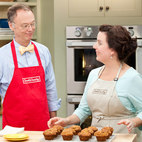
Finding out how to really cook, what are the best tools for the job, how to outfit a pantry for maximum flexibility, those are all things that began for me by reading a Salon article. Maybe your journey will begin right now by clicking the link to Good Eats and starting there. I have pointed out other resources for leaning what is going on in the kitchen when people who know what they are doing are in there. Another great cooking show is “America’s Test Kitchen” which was on public TV for the longest time. They also taught you why you were doing certain things at certain times in the kitchen. Basically, between these two shows nothing was left unturned.

bucket_CCY-S05_20111004_11-13-38_341459

Then all that was left to get me from there to where I am now is the knowledge of what to cook. Lately I am convinced that if I make my own food out of single ingredients then I will not ever have to eat processed foods again. Making my own macaroni and cheese is just as fast as the boxed, but I know where the cheese is from and it looks like cheese. The ingredients on mine are all english words, and I know what they all are. There are a lot of questionable ingredients in the processed product.

I guess the moral of the post is that cooking is easy if you know a few basic things and there are a few places that I have mentioned here today where a guy can go and watch someone do it, and they explain what they are doing and what they are watching for to know if they are doing it right. There are great training resources out there, the internet is your friend. Buy a cast iron skillet, or get the rust off of the one you have now, buy a sharp quality chef’s knife, watch one of the videos I pointed out and get started on the road to kicking the bagged food habit.

Category_seasonedcastiron_N

Posted in Health, Living | Tagged , , , , , , | 2 Comments

Temporary Insanity

honey-bee[1]

I am reading today in the Mother Jones online magazine about the California almond industry. Almond production now has grown to the point that it is an ‘industry’ and Wall Street traders are beginning to swoop into the market for the newest commodity crop. If Wall Street is in it, can disaster be far behind?

The value, in dollars, to the California almond is second only to it’s dairy production. The most recent number is 4.8 billion dollars in 2012. If you are a long time reader of this blog, you will remember that I feel that money is a poor indicator by which to measure anything, and it is especially poor at measuring what the value of the almond crop is. For one thing, the almonds are very thirsty trees. The only time that California almond trees do not require watering is for the couple of weeks just before harvest, and that is to force the almond to ripen and so that the nuts don’t drop into mud when they fall. At all other times the trees require irrigation to survive. California almonds are grown in a desert. They take three times as much water as do the California grape crop grown right next door. Four almonds require more water to grow than a head of lettuce, and they require it every week for the life of the tree, not just when they are growing.

The number of almond trees being planted in California is actually going UP. Last year twenty five percent more new trees were planted compared to the year before. there are a lot of new players getting into the ‘almond game’, and they are all famous names.

Take TIAA-CREF, a New York-based retirement and investment fund with nearly a half-trillion dollars in total assets under management. The firm, which owns 37,000 acres of California farmland, claims to be one of the globe’s top five almond producers…Then there’s Hancock Agricultural Investment Group, a subsidiary of the sprawling Canadian insurance and financial services giant Manulife Financial. It manages $2.1 billion worth of farmland, mainly for large institutional investors like pension funds. Individuals can buy in—for a minimum investment of $5 million. HAIG owns at least 24,000 acres of almonds, pistachios, and walnuts, making it California’s second-largest nut grower.

Here is what the hedge fund managers say about why they want to get almond growing land and plant trees in a desert, where they currently have to rely on well water for irrigation, during the most epic drought in decades:

According to Howitt, the flow of big money into almonds is a “rational response” to two broad economic factors: low interest rates, which make safe investments like bonds unattractive, and that ever-rising demand from China.

We are eating and drinking almonds at an ever-growing rate. Almond milk manufacture and sales are taking off. I have advocated buying raw almonds and making almond milk in the pages of this blog, even though I knew that the almonds were a specialty crop grown fifteen hundred miles from my home. Normally I would not advocate a crop that I cannot get from a local grower, but I rationalized my decision at the time. Knowing that big money is going in and growing the amount of almonds grown by twenty five percent per year changes that math for me, and it should for you, as well.

The problems with almonds, first, they are responsible in a large way for the stress on the European honeybee. These bees are sent by semi-trailer from all parts of the nation to fertilize the almond groves. These groves are so big that natural bees could never get to the center of them to fertilize them without starving for all the rest of the year, because there are no other flowering plants anywhere close. The bees are manhandled and mingled with other bees for the almond flowers fertilization period, allowing mites and diseases to be spread and strengthened, and then trucked all over the country to spread whatever they caught even to wild bees. I recommend the documentary “More Than Honey”. Here is an excerpt:

Second, the almond crop is being watered using irrigation water when it’s available, but by using groundwater when it’s not. Groundwater in California is unregulated. Groundwater in California is also free, or essentially so, because all it costs it to sink a well and the electricity to pump it out. That means the most essential ingredient to an almond farmer costs him nothing. This gets back to the value of the almond. Is the almond worth it to California if it means that people and animals must go thirsty?

There’s a financial metaphor that helps to explain California’s dilemma. To live off surface water is to live off your paycheck. To rely on groundwater is to tap into your 401(k). Every draft you take is one that you won’t be able to replenish, at least not easily.

Third, there is the fact that irrigating water from deep wells causes salts that are dissolved in groundwater to be brought to the surface. The salts stay on the surface and have long been known to kill land for agricultural uses. Bankers don’t care about this like farmers do, so they will irrigate with well water and kill their fields for the ages, but they will have gotten their ‘return on investment’ by then. Dealing with the wreckage is the business of the State. This is what we call socializing risks, privatizing profits.

But an ongoing almond boom will bear ecological costs along with vast profits. As the water table drops from overpumping, the remaining water picks up higher concentrations of minerals from deep in the earth. When orchards are irrigated with such hard water, the salts build up in the soileventually killingthe trees. In Fresno County, I saw entire groves of almond trees looking yellow and wan, signs of salt stress. The land around Alpaugh is already too salty to support almonds; that’s why the pistachio is the nut of choice there.

Back before the Great Depression and Dust Bowl days of the midwest, the invention of the tractor caused a boom in farming there. Back then Wall Street bankers were buying up property from Texas to Montana and paying to have every acre tilled for wheat. Back then wheat was the almond crop of the day. Then it quit raining, the cheap money ran out, and the bankers went on to the next thing that had more ‘value’. The midwest was left with a Dust Bowl that lasted until the Civilian Conservation Corp of the New Deal administration of Franklin Roosevelt recovered the ability of the fields to heal themselves.

Don’t think history can’t repeat itself. The insanity over the California almond is temporary. The second they have to buy water, and pay Californians for the value of that raw ingredient then there won’t be near the market for buying new almond trees. Make them pay for water and they won’t put so many trees in that they cause a permanent water shortage for people and other uses. The second the money goes from the almond to some other place, the money men will abandon this venture and move to that one. They don’t care about almonds, or water, or bees, or you and me. All they care about is money.

For my part I have stopped making my own almond milk ever week, I have stopped eating my oatmeal every day moistened with almond milk. The wife is no longer making almond milk smoothies every day. We have went to locally grown milk from Shatto dairy here in Kansas City and she is eating kefir milk and kefir cheese made from it. I am eating home grown bacon and home grown eggs for breakfast. I have found a way to quit eating or drinking so many almonds, I hope you can, too. Together we can restore sanity to the California almond growers. There are more valuable things in the world than nuts, like water and bees.

Posted in Health, Living | Tagged , , , , , | Leave a comment

Biggest Loser

Telling the world that all a person has to do to lose weight is eat less or work more, because it’s just basic physics is a mistake. It is a mistake because it makes the person who that doesn’t work for look like they aren’t trying hard enough to lose weight. It is a mistake because the person who is making that claim doesn’t know if that is true. Even though it makes a certain kind of elementary sense, they don’t know whether or not people gain fat because of how MUCH they eat or how little they work.

I know that they don’t know, because it turns out the the highest percentages of obese people throughout history have always been found in poor communities. This has been true even back when just about all work was hard physical work, back when the hardest, most physical work was being done by the poorest people. We all know people who try very hard to lose weight, starving themselves for months, and then when their weight is down and they are done with the diet, they go back to not starving and the weight comes back. Nobody should have to live on starvation rations to stay thin. Nobody can.

In 2007, Jeffrey Flier, dean of Harvard Medical School and his wife and colleague in obesity research, Terry Maratos-Flier, published an article in Scientific American called “What Fuels Fat.” In it, they described the intimate link between appetite and energy expenditure, making clear that they are not simply variables that an individual can consciously decide to change with the only effect being that his or her fat tissue will get smaller or larger to compensate. An animal whose food is suddenly restricted tends to reduce its energy expenditure both by being less active and by slowing energy use in cells, thereby limiting weight loss. It also experiences increased hunger so that once the restriction ends, it will eat more than its prior norm until the earlier weight is attained. What the Fliers accomplished in just two sentences is to explain why a hundred years of intuitively obvious dietary advice— eat less— doesn’t work in animals. If we restrict the amount of food an animal can eat (we can’t just tell it to eat less, we have to give it no choice), not only does it get hungry, but it actually expends less energy. Its metabolic rate slows down. Its cells burn less energy (because they have less energy to burn).

Taubes, Gary (2010-12-28). Why We Get Fat: And What to Do About It (Kindle Locations 1172-1182). Knopf Doubleday Publishing Group. Kindle Edition.

Nobody should look at a person who is carrying a lot of extra weight and think that they are guilty of sloth or gluttony, because so many people are like that now. Two thirds of Americans are now overweight and half of the overweight are obese. There has been an explosion of obesity and it can’t be because there has been an explosion in gluttony. It can’t be that all of a sudden we all need to overeat, that we have all lost control of our ability to regulate our most basic urge–to feed ourselves.

Why is it that obesity is so rarely, if ever, cured by what should be the simple act of eating less? If we suggest as an answer that fat people respond to food restriction just as fat animals do— they reduce their energy expenditure, while experiencing increased hunger (as Jeff Flier and Terry Maratos-Flier explained in Scientific American)—then we’ve opened up the possibility that the same physiologic mechanism that drives obese individuals to hold on to their fat in the face of semi-starvation might have been the cause of their obesity in the first place. Again, that’s not allowed. So instead we blame the failure of the diet on the failure of the fat person to stay on it. It’s a failure of will, a lack of the necessary strength of character to do what lean people do and eat in moderation.

Taubes, Gary (2010-12-28). Why We Get Fat: And What to Do About It (Kindle Locations 1210-1215). Knopf Doubleday Publishing Group. Kindle Edition.

What if the cure for obesity and overweight is not eating less? What if counting calories doesn’t work, because what matters isn’t how many but what kinds of calorie sources they are eating? What if dieting doesn’t work because starvation makes you conserve energy? Well, the cure for obesity does not lie in reducing the number of calories you eat to a number less than the number of calories that you burn. A calorie of sugar is not the same at all as a calorie of meat to your body. America is not fat because of how much we eat, it is because of what we eat.

To be continued…

why_we_get_fat-100x150

Posted in Health, Living | Tagged , , , , , | Leave a comment

The First Law of Thermodynamics

In science a law is a theory that has withstood every challenge, has proven itself repeatedly in the arena of experiment, is no longer in dispute. The first law of thermodynamics is that energy cannot be created or destroyed, that the energy of a system cannot go up without input from the outside, that energy cannot be created from nothing. This is a law of physics because this statement is always true and will always continue to be true.

As a general rule, if it looks like it might be possible to put more energy into a system than is used then the matter is that you are missing where the energy is actually going. Inventors for the longest time tried to invent perpetual motion machines, some thought that they had, but missed where the energy that made the machine work was coming from. Perpetual motion is impossible, and so is a system that cannot account for every iota of energy that is put into it.

So this applies to eating because, up until this week, I thought that a person would gain weight if they ate more calories worth of food than they expended in physical energy. If you search for “calories” in this blog you will find examples where I compared the body to a boiler. If you put more energy in than comes out in work, the pressure in a boiler will go up–this is stored energy that can be used later. If the pressure goes up then the boiler will burst. This is true of boilers. Comparing this to your body, I thought that if we eat more calories than we work in a day that the surplus calories must be put into fat–increasing the stored energy for use later, just like my boiler example. If this is true then it is elementary that to reduce stored fat all you would have to do is lower the calories to below the amount that you work in a day or raise the amount of energy you expend in work and keep doing this until your body fat is where you want it. It seems as though this idea is fixed by the ironclad rule of the first law. It is not.

The First Law is a law, no getting around that, but the first law talks about energy, not fat. Saying that the First Law demands that we get fat if we don’t match our calories in to our calories out is misapplication of that law. Saying that assumes that a calorie is actually a unit of energy. The original calorie is, in fact, a unit of energy. It is the amount of energy that is required to raise a gram of water by one degree Celsius, a mechanical definition. A dietary calorie is one thousand mechanical calories, but it is more than that. You see, if you burn a food you can see how much the burning of the food raised your gram of water, but your body does not burn food. There are things that you could eat that you would get zero energy out of, but they would raise the water temperature because they do burn. Try eating paper, two thousand calories a day worth of paper, and see if you gain weight. You see, a dietary calorie is a different unit of measure than a mechanical calorie. A calorie of exercise is a mechanical calorie and the work you are doing can be exactly measured.

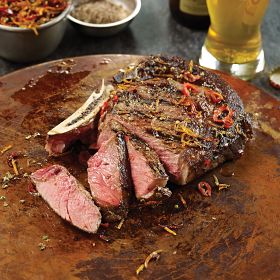
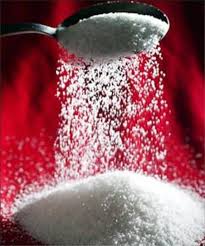
If you and I did a test, where I ate three thousand calories per day of marbled beef and you ate three thousand calories a day of chocolate cake with chocolate ice cream, do you suppose that at the end of a month we would both weigh the same amount, given that we did identical amounts of physical work that month? Let’s say I ate three thousand calories of salad with creamy dressing and you ate three thousand calories of donuts. You know, now that I think of it this way I have always sort of known that it doesn’t matter how many calories you eat but what kind of food you are eating. Inside of your body something is going on that treats calories differently depending on where they come from. Some kinds of foods are more fattening than others, independent of how many ‘calories’ that add up to. The Dietary Scientist is guessing how much effect these different foods are going to be worth inside of you, and assigning a fudge factor to the actual mechanical calories to obtain the dietary calorie equivalent value. Even so, it is obvious to me that 3000 dietary calories of ribeye steak is going to affect me way differently than 3000 calories of sugar. By the way, 3000 calories of sugar would be 750 grams of sugar, or over one and a half pounds of sugar. 3000 calories would be three ribeye steaks of one pound each. I would not expect to lose weight if I ate a cup of sugar at every meal. I am not sure if I would gain or lose weight if I ate a ribeye for breakfast lunch and dinner. A calorie is not a calorie once it gets inside your body.

To be continued….

rb029

Unknown-2

Posted in Health, Living | Tagged , , , , | 4 Comments

One Day

Ok, it is Saturday.  Saturday and Sunday do not get much eyeball attention according to the statistics that I see on WordPress. I finished the entire book “Why We Get Fat” in a single day. It was that engaging. I was impressed by the perfect case that he laid out for change and the perfect plan for change that just about everyone I know needs to hear about.

I am not going to post any more about this book today. I am not going to do it because then my regular readers would be compelled to read down through three posts to get to this one, and the ideas in this book I am going to lay out in order, so reading them in the right order is important. Make sure you read every day for the next three days, starting Monday so that you will see the concepts and prescriptions in the intended order. I won’t make one long post, because some of my posts are way too long as it is, Right?

Let me just say that if you buy this book for Kindle like I did, you could be done with it before you read a single post about it from me. You ought to do that. Or read some of Mr Taubes’ posts on his site.

why_we_get_fat-100x150

Posted in Health, Living | Tagged , , , , , | Leave a comment

Science, Pseudo-style

What do you do, for yourself and for your family, if you have discovered evidence that you have been wrong about something your whole life? The idea that in order to maintain your health and weight that it is advisable that you and they work and exercise harder and eat less. Your adult kids are in the habit of spending time and treasure fighting their ballooning waists and weights on gyms, diets, and pills, and you have found out that the fact that it isn’t working is not their fault, but the fault lies in the advice that you and your nation have given them.

It is surprisingly easy to find evidence that refutes the conviction that we get fat because we take in more calories than we expend— that is, because we overeat. In most of science, skeptical appraisals of the evidence are considered a fundamental requirement to make progress. In nutrition and public health, however, they are seen by many as counterproductive, because they undermine efforts to promote behaviors that the authorities believe, rightly or wrongly, are good for us.

Taubes, Gary (2010-12-28). Why We Get Fat: And What to Do About It (Kindle Locations 303-306). Knopf Doubleday Publishing Group. Kindle Edition.

See, here is my dilemma: should I advise my loved ones that their increased exercise is unlikely to reduce their weight? This has been studied for one hundred years and the evidence that extra exercise or periods of intentional starvation will lead to a life of normal weight for a person that is overweight is nonexistent. I would not be saying reduce your daily activity, I would just be saying don’t exercise to lose weight…it does not work. There may well be lots of great reasons to do it, but that’s not one of them.

This is the attitude that diet and health care professionals have taken, as well. Advise exercise because it might have some benefit–all the while knowing that in most cases increased exercise leads invariably to increased eating. We all know it as ‘working up and appetite’. Continuing to give everyone, no matter what their circumstance the impression that if you are heavy it is your fault, either you eat too much or you are ‘fat and lazy’ is what we are getting from our doctors, family, society. Even if it is not true. Even though neither of those reasons for obesity can be proven in a lab. They say it because to say something different gets them funny looks from their peers. Tell someone that needs your help losing weight “eat less” as though that idea had never occurred to them.

I don’t know yet where this book is leading me. Thus far I have learned that reducing calories will not lead to a lifetime of normal weight, because nobody diets forever. I have learned that nobody can lose weight by exercising, because increased energy expenditure leads to increased appetite, and it is way easier to eat more calories than a person can possibly burn through work. I plan on purchasing copies of this book and giving it to people in my family that I love and care for. For the rest of you, I will be curbing my advice on this blog to conform to what is known in food science, and there will be less reliance on the conventional wisdom that I have read and reported in error.

For inconsistencies between what I am about to write in the future with what I have written in the past I apologize. My main theme of shopping the outside of the grocery and eating no processed foods I expect to stand. I expect to continue to advise eating little to no Carbohydrates, but I have a sneaking suspicion that I won’t be giving the same advice where fruits and vegetables are concerned. However, unlike your food press, I will be giving the advice that I feel to be true. I won’t be embarrassed in the least to say something different based on different evidence. I, like a true scientist, will be going where the science leads me, unbiased by what I thought to be true last year or even last month.

Follow me, we will get there together.

Posted in Health | Tagged , , , , | Leave a comment