An Ounce Of Prevention is Worth A Pound of Cure

It is said that and ounce of prevention is worth a pound of cure. This is especially true if there is no cure. In the case of type two diabetes, commonly known as adult onset diabetes, prevention and cure are the same prescription. Exercise more than you are now, and lose weight.

The CDC has started a program that focuses on seniors, The Diabetes Prevention Program.

The DPP’s results indicate that millions of high-risk people can delay or avoid developing type 2 diabetes by losing weight through regular physical activity and a diet low in fat and calories. Weight loss and physical activity lower the risk of diabetes by improving the body’s ability to use insulin and process glucose.

Now, here at ‘One Small Change’ we don’t care about millions of people, we only care about you. I have been saying for almost a year now that losing weight is not the goal. Breaking habits is what I strive for. Losing weight is a side benefit of breaking your shopping habits at the store and in restaurants. I suppose I could add that if you break the habit of always taking the elevator and instead finding the stairs. Start walking up and it could reduce your chances of developing diabetes. It could contribute to your hearth and lower your weight at the same time. Just exercising has no chance of lowering your weight, though.

The New York Times has a long article about the CDC program. The program has expanded to be offered all over the country. If you have a local YMCA you can probably find information there about how to enroll, since YMCA is the largest organization involved. (Here is a list) The program is not a diet.

“This is not a ‘diet,’ some sort of temporary thing,” Dr. Albright said. “This is intended to help people adopt new habits and to look at that as a way of life.”

Ah, adopt new habits. We are so far ahead of the game here. I am not a senior yet, I am making new habits (no processed foods, no added sugars) and now I find that all I still need to do is take the stairs more often. The habits I might consider breaking are taking my car the three blocks to the grocery store. I will try to walk more often. Maybe I will take up bicycling, like my 87 year old uncle Vernon and ride 25 miles a day like he does. Bet he doesn’t have pre-diabetes.

The C.D.C. curriculum involves 16 weekly sessions, then monthly follow-ups for a year. The goal, along with 150 minutes a week of walking or other physical activity, is significant weight loss. “You will get diabetes reduction at 4 percent” of body weight, Dr. Albright said. “But we’re shooting for 5 to 7 percent.” In Y.M.C.A. programs, the organization says, participants average a 5.7 percent loss after a year.

The CDC program is also not free. If you are the type of person more likely to continue something that you paid good money for, then paying to enroll is a good idea. If you are like me and pinch every penny, then it is good to know that you can get all of the benefits of this program by reading this blog every day (for a sense of community) and by quitting processed foods and sweetened drinks. We won’t need to be on chemicals to keep our sugar down, or our blood pressure. We won’t need to take other chemicals to counteract the side effects of the original chemical. Nothing good comes from putting band aids all over the problem, which is added sugar and artificial ingredients. Stop hurting yourself with poisoned foods and you won’t need medicine.

I do like seeing the official recognition that we are on the right track. I wish they would quit demonizing fats, always calling for low-fat. We have to get our calories from somewhere and fats are way better than carbs for doing the job. We all want to be healthy in our old age, so that we can enjoy our grand and great grand children. I don’t know about you, but I want to die in perfect health.

383871_148886215221182_996775970_n

My Uncle in his riding gear

Posted in Health, Living | Tagged , , , , | 1 Comment

Diehards

No Christmas post yesterday, so gonna make up for it by not missing a day for the rest of the week. I hope you had a great holiday, with family if you wanted, or by yourself, if that’s the kind of holiday you wanted. To my diehard readers that show up here at the blog more often that even I do, I say, Merry Christmas and Happy Holidays to you and yours!

If you wanted to be with friends and family but couldn’t be, I feel your pain. We wanted to be with our kids, but they are strewn across the nation and living their own lives now, so we could only enjoy with them using FaceTime or Facebook..it’s not ideal, but it beats the old days when ATT used to charge and arm and a leg to talk to someone, even just across the state line.

I hope that if you didn’t get to spend your day exactly like you wanted that you didn’t console yourself with food or drink. Eating is that kind of drug, and some people use food to medicate themselves. There is nothing wrong with medicine, of course, when used appropriately. Eating a bag of cookies that you got in the mail from your Mom who lives halfway around the world is not the same as being with Mom. It might make you feel better until you get to the bottom of the bag, and then you get that, “what the heck am I doing!” feeling. If you were with Mom she probably wouldn’t have let you eat the whole bag, either. Mom would have made you a nice breakfast, you wouldn’t have gotten the urge to binge eat sweets because of that.

At my house we had a good two egg omelet for breakfast, with unsweetened coffee to wash it down. Free range eggs, fried in lard, fresh vegetables, onions, and home corned grass fed beef cut up fine. No toast, no juice, just breakfast and coffee at ten in the morning. Held me until we started eating dinner at around 3.

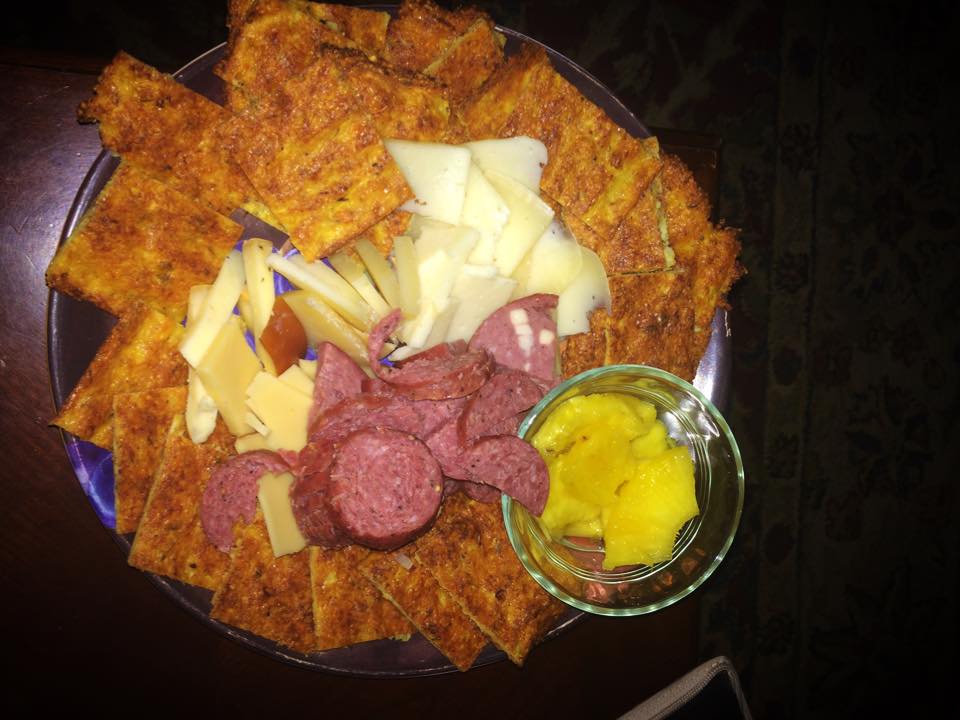
Dinner was Italian and French cheeses that we got as a gift, summer sausages, another gift, and some flatbread made with cauliflower instead of wheat. I drank water. We snacked on that as we played computer games since Xbox live was taking Christmas off and I couldn’t play my video games like I planned on. The food was excellent. I don’t know why I haven’t already begun to bring live imported cheeses into my menu. They are full of life, alive with the germs of life. It is exactly the kind of food that I am wanting to begin living on.

Christmas dinner, just me and Karen

Christmas dinner, just me and Karen

Also yesterday I drank a concoction made of bottling my milk kefir water (the whey). It was a milky drink that I sweetened with a teaspoon of honey (from an apiary in Kansas). I found it to be very drinkable. I put it in a glass with no ice, just drank it straight. This is also full of live bacteria, cultured by the same bugs that turned my milk into kefir milk. We take that kefir and strain it through a coffee strainer overnight, over a measuring cup to collect the whey. The ‘Kefir Cheese’ we eat in our breakfast meal, (we meaning Karen).

I heard from my Mom that she has stopped drinking soda pop with her meals, which does my heart good. As you know I am a firm believer in doing major life changes one small change at a time. Her small step is one of the biggest steps that a person can take when cutting added sugar out of the daily routine. Any kind of sweetener is known to lead to insulin resistance, a precursor to type two diabetes. Not taking a sweetener with every liquid sip you take is a very big deal, and no small step.

So, that is what happened over here on my day off. Leave notes of how you did at Christmas in the comment box below. Have a Very Merry, and a Happy.

Posted in Health, Living | Tagged , , , , , , , , , , , | 3 Comments

Parsing Bad Advice

I read food and nutrition news with a very critical ear for bad advice. Usually that bad advice is based on the bad old nutritional science of the past. The advice to limit saturated fats is still everywhere, even though the media have begun to spread the word about the truly dangerous trans fats. Yesterday the New York Times food blog trumpeted this headline:

Why Cafeteria Food Is the Best

The ‘Best’ they are referring to is best for your children, in comparison to foods they might bring from home. If the US public schools served food like the Japanese or French do there would be no argument, school lunches would be at least as good as cafeteria:

First course: Cucumber and tomato salad Main course: Veal marinated with mushrooms, broccoli, cheese Dessert: Apple tart

First course: Cucumber and tomato salad
Main course: Veal marinated with mushrooms, broccoli, cheese
Dessert: Apple tart

Unfortunately, the foods that we Americans send in brown bags with our kids are the foods that we eat at home, which makes them even worse than school cafeteria foods, nutritionally.

Packed lunches … contained more desserts, chips and sweetened nondairy drinks, none of which can be served by schools that participate in the federal program. “About 90 percent of lunches from home contained desserts, snack chips, and sweetened beverages,” the study found.

This sounds like your typical ‘low-fat, high-carb’ meal on the run kind of food that is making us all sick and fat.

“If you only expose children to chicken nuggets and French fries, that’s what they’ll like to eat,” Dr. Baidal said. “Schools can help by giving foods creative names and presenting them in fun ways. Food service personnel can prompt children to try different foods when they come through the line.”

Or….we could feed them what we want them to eat without regard for what they ‘like’ or ‘want’. When I was a little boy I wanted candy, ice cream and soda pop. I almost never got any of it. When I went through the lunch line they put a half pint of milk and whatever was for lunch on my tray. Sometimes I didn’t eat it all because I was just a little kid, but never because it wasn’t what I wanted. There were lunch foods I liked and some that I didn’t. I never got a choice until high school about what I would be eating for lunch. It could still be that way and the kids would not know the difference. They are kids, they need to be told what to do for many years. Letting them pick is a very bad idea.

The bad advice that I hear reading this article is “Don’t send lunch from home.” Good advice would be what to eat at home that won’t be bad for your kids if they brought it to school. Bad advice is eat low-fat. Here is a good lunch to send your kids to school with, “One piece of whole fruit (apple, orange, banana), a peanut butter and butter sandwich (don’t turn up your nose, try it) a carrot cut into matchsticks.” If the peanut butter is made at home, with love by you, all the better. That brown bag lunch has no artificial sweeteners, no processed sugar (if you make your own PB) and only good natural fats (uncooked peanut oil and real butter). Add a glass of water or a half pint of whole milk and there is nothing wrong with it. Not as good as the French lunch in the picture, but better than a processed food lunch from home or a cafeteria lunch from school, like this typical one…

Nachos, fries and candied milk

Nachos, fries and candied milk

Posted in Health, Living | Tagged , , , , , | Leave a comment

Back in the News

Sugar addiction gets another shoutout in this morning’s New York Times.

Substance use disorders, defined by the Diagnostic and Statistical Manual of Mental Disorders, exist when at least two to three symptoms from a list of 11 are present. In animal models, sugar produces at least three symptoms consistent with substance abuse and dependence: cravings, tolerance and withdrawal. Other druglike properties of sugar include (but are not limited to) cross-sensitization, cross-tolerance, cross-dependence, reward, opioid effects and other neurochemical changes in the brain. In animal studies, animals experience sugar like a drug and can become sugar-addicted. One study has shown that if given the choice, rats will choose sugar over cocaine in lab settings because the reward is greater; the “high” is more pleasurable.

That’s right, this morning they are explaining how and why sugar is considered to be an addictive substance. If you have ever tried to quit sugar for real, by not eating any processed foods, fruit or sweet or starchy vegetables, then you know that there are actually cravings and withdrawal symptoms from doing it. I documented them in my 21 Day Sugar Detox Journal, that you can find on my WordPress page top menu.

images-1

I read with interest the comparisons to class one narcotics like cocaine. Apparently lab animals that are given the choice between sugar and cocaine will select the sugar, because the neural reaction is stronger and, of course, sugar tastes good. If quitting sugar and cocaine are equally difficult, then it gives one pause as to how addictive these class one drugs really are. I did not find it difficult to quit sugar. If they are equally addictive, then I could probably use cocaine without fear that I would never be able to quit.

However, there is a difference between cocaine and sugar that they must not be able to track with brain scans. Cocaine is illegal and buying it and using it would provide an additional burst of endorphins that buying and using sugar do not. As a former gambling addict I can assure you that even making the choice to do it was a rush. I am certain that my addiction was not to the games, but to the behaviors before the games. Actually risking something of value is it’s own high. I got hooked on the risk itself.

I won’t be trying cocaine any time soon, because I know that I would enjoy making the purchase too much. I know that I would get addicted to the crime of it. Risking everything is a very potent drug, too. It is why people foolishly jump out of airplanes, climb mountains, scuba dive in pitch black caves, skateboard and ski in life or death areas, race cars at breakneck speeds, and play Russian roulette. Watch the movie “The Deer Hunter” and realize that one man never left Vietnam so that he could tempt death over and over, to keep getting the super-high of life or death. Ever wonder how someone could stand to be a policeman, fireman or mercenary soldier? They can’t help it.

So a mouse could never be as hooked on cocaine as I could be. I don’t think the mouse would ever understand the concept of crime, or punishment. They don’t worry about losing their wives, jobs, houses. The rush of sin is foreign to an animal that cannot plan for the future. My addiction would be different than his, because he would only experience the chemical crave of the drug, while I would get that, plus I would get the rush of the soul-craving for the sin. Life or death is living on the edge. When you are in life or death time stops for you, seconds are like minutes, your bowels loosen up, the shot of adrenaline is the uber-drug that cannot be reproduced in the lab on a rat. Even turning your car off of the path to home in the direction of the drugs is an adrenaline-injecting experience. Actually doing the drug is nothing compared to the crimes you committed against your state, your family, your body.

I think that being hooked on the acts is something that really takes people by surprise.

In the article they call for some state-level things that might make us make wiser choices vis-a-vis sugar. Maybe a tax to make it more expensive. They call for regulation and restriction. I feel that the fight against sugar will be won one family at a time. Once everyone knows that sugar is the enemy that they thought dietary fats were, there will be a change in the way we feed ourselves and our kids.

If we just have to do something to make the spreading of the word on sugar take place faster, let’s make TV broadcasters devote an equal number of minutes to anti-sugar ads as they do to commercials for sugary foods. If a children’s program contains ten minutes of breakfast cereal ads, make the cereal sellers buy ten minutes of ad time for anti-sugar spots. It won’t be long until they quit buying ad time, so that they aren’t funding the enemy. How about we quit spending money to subsidize the farmers of sugar crops. No subsidies for sugar cane or sugar beets. No subsidies for corn that is turned into high fructose corn sweetener. Let the price of sugar rise to it’s natural level. How about we quit demonizing saturated fats at the government level. Saturated fats are now known to not cause heart disease, so let’s quit demonizing them. Taking fat out of our diets required that something (carbs) be put in so that people would eat the newly formulated low fat foods. Let’s quit that.

Who knows what the government will do, or how long it will take for them to do anything at all? Do you want to know what you can do, right now? Quit buying processed foods. Don’t buy anything that comes in a box or bag. Purchase single ingredient foods that your great grandmother would recognize. Cook your own meals instead of eating out. Don’t drink any drink that is sweetened. Do those things and your sugar consumption will drop so drastically that your health and energy levels will spike. The change will be enough for you to know that you are changing your life for the better.

Posted in Health, Living, Politics | Tagged , , , , , , , | 1 Comment

Good For English, Bad For Truth

English has won by not losing. Do you recall the Unilever lawsuit against Hampton Creek that was for producing a product that looks like mayonnaise, but is not mayonnaise, while calling it “mayo”. Unilever dropped that lawsuit. The truth has lost this round.

A little background: Hampton Creek makes a product named “Just Mayo”. It contains no eggs, which, according to the language police at Unilever, would disqualify the Hampton Creek product from bearing the name “mayo”. However, if you recall, Hellman’s also produces a product that contains “Low-Oil” which they boldly call mayonnaise. Actual mayonnaise contains one cup of oil and one egg yolk, and Hellman’s makes a product somewhat like it. Hellman’s may want to consider renaming its low-oil product “Mayo”, because while it might be the equivalent of “Just Mayo” it is not the equivalent of mayonnaise. Thus, I say that the truth will not be served this round. I had hoped that Hellman’s would lose the right to call everything except their real mayonnaise product by the name “mayonnaise”. All of the other imitation mayonnaise products that they make should be required to be called “mayo”, or imitation, or artificial. It would prevent confusion in the future.

380-97887-Products_Thumbnils_LOWFAT_140x140

While we are on the subject, I would like to point out a couple of VERY important points that come to mind. First, there is absolutely no reason to avoid eating eggs, making the “Just Mayo” product an expensive not-healthier alternative to mayonnaise. It has been scientifically proven that eating eggs does not cause blood cholesterol levels to change. The quaint idea that eating cholesterol equals blood cholesterol is false, while appealing in it’s simplicity.

Second, eating fats are also not bad for you, provided that they are saturated, and provided that, if they are oils, have never been overheated. Overheated oils turn magically into trans fats, which do lead to heart disease. This has been proven scientifically as well. So don’t cook with mayonnaise, even though I think nobody does.

Third, the best mayonnaise for you is the mayonnaise that you create in your own kitchen, just you, one egg, one cup of olive oil a bowl and a whisk. It takes five minutes and while the results of your labor won’t last for a year in the door shelf of your refrigerator, that is a feature, not a problem. Your product will still be alive, containing all of the natural things occurring in egg, oil, and your kitchen. The bottled stuff comes dead. It is so dead that nothing living can take hold in it. That is why it lasts so long in your refrigerator. You shouldn’t eat anything that won’t spoil after a month.

Life feeds on life.

Hellman’s ingredients for low-oil mayonnaise:

WATER, MODIFIED CORN STARCH*, SOYBEAN OIL, VINEGAR, HIGH FRUCTOSE CORN SYRUP*, EGG WHITES, SALT, SUGAR, XANTHAM GUM*, LEMON AND LIME PEEL FIBERS*, COLORS ADDED*, LACTIC ACID*, (SODIUM BENZOATE*, CALCIUM DISODIUM EDTA) USED TO PROTECT QUALITY, PHOSPHORIC ACID*, NATURAL FLAVORS. GLUTEN-FREE.

Here is how to make your own mayonnaise, by Jamie Oliver.


Make the Mayo very slowly. If the sauce ‘breaks’ after it was starting to look pretty good, don’t despair. If you start over at the egg and the oil, you can slowly add your broken sauce to an unbroken batch and it will be mayonnaise in the end, just more than you initially wanted. After the mayo starts forming, add oil slowly, and if you add it fast enough to make it puddle you will break your sauce.

Posted in Health, Living | Tagged , , , , , , , , , | 1 Comment

It Might Be Simple, But It’s Sure Not Easy

Losing weight is not hard to do–on paper. All you have to do is eat less calories than you burn. Eating fewer calories is easy, all you have to do is stop eating sugar, but you have to eat something. You don’t get to just stop eating carbohydrates and replace it with nothing, because you need a certain number of calories to sustain you.

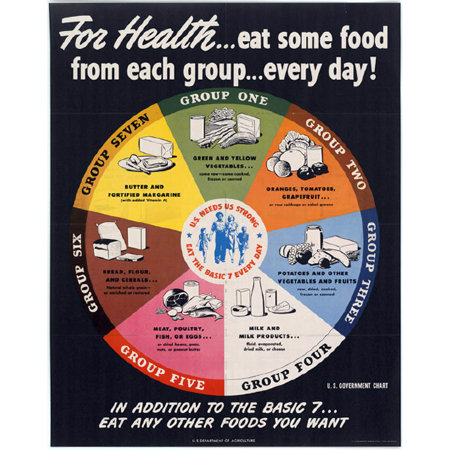
Not eating sugar is really a bit of a trick to pull off in the US these days. Ages ago when the government decided to begin giving us nutrition recommendations (1984 to be exact) they recommended that we reduce our fat consumption. After that the food industry went to great lengths to reformulate most processed foods to be lower in fat, and specifically saturated fat like butter or lard. Lower fat foods are also lower calorie foods so to make up for lost flavor and lost calories they substituted carbohydrates where the fats had been. To find foods in the US that contain no added sugar is just about impossible.

1984 Food Wheel

1984 Food Wheel

Your low fat milk is higher in sugar than your whole milk. Eighty percent of all of the processed foods in your local grocery contain added, hidden sugars. The labels on those foods will not show you the Recommended Daily Allowance of sugar per serving contained inside the package. It’s not that nobody knows what the RDA of sugar is in the product, but that just about every processed food that is ready to eat will contain one hundred percent of your sugar RDA. Eat one yogurt with breakfast in the morning and you are done with sugar for the day. Eat like the average American and you will eat over four times more sugar every day than is recommended. Bet you didn’t know that.

Not only did the food industry take out the fat and put in more carbs, but the meat industry has gone to equally great lengths to make their products ‘healthier’ by creating leaner animals to turn into our table meats. Gone are the twelve hundred pound lard-giving hogs, because Americans now don’t cook with lard. Lard is almost a dirty word, even though cooking with lard is now shown to be the safest fat you can use to cook with. No cooking oil is as safe, because if you don’t cook exactly right with them, higher than recommended heat will turn some of your canola oil into TRANS FATS, which are now proven to cause heart disease. If you ever reuse your cooking oil (like they do at all restaurants) then you are guaranteed to be cooking with trans fats. Lard, suet and tallow do not react the same way chemically. They are actually heart safe, and a great place for you to get the extra calories that you need if you are cutting out sugar from your diet.

Actually not eating sweets–cakes, cookies, candy–is a very hard thing to do if you don’t eat enough calories on a daily basis. I am trying very hard to cut all added sugar out of my life. By that I mean that when we want to eat a sweet treat for desert that ought to be the only sugar I eat all week long. That is the ideal. Actually putting that into practice is quite a bit harder than that.

First and foremost, I have to eat breakfast to make that work. If I don’t eat two eggs and a side of bacon then the snacks that men bring to work to share become irresistible. Eat one christmas cookie and you will eat another. Sugar eating at break in the morning sets a bad tone for the rest of the day. While I am not back to ‘eating sugar’ because I had some home made fudge at nine o’clock in the morning, I have eaten the entire week’s worth of sugar budget in one day if I have another piece of fudge before I go home.

Second, I have to not eat any processed foods all day to be sure that I didn’t eat any sugar. If I could just not eat crackers with my soups, potato chips as an ‘appetizer’ after getting home from work, then I could be sure. If I never ate at a restaurant, where I don’t control ingredients or cooking methods, then I could be sure.

Third, I have to recognize the triggers to my sugar addiction. There are hundreds of food commercials every day that are going in the background, and they affect my desires even if I am not watching them directly. Seeing the vending machine at work makes me think about the cookies and candy within, I actually consider getting something, even if I don’t act on it. The only time I am not tempted by sugary foods is at home, because it is a sugar free island. We don’t buy processed foods, our cabinets have barely any boxes or bags in them. We don’t buy soda (but my son does, his stash is in the basement, out of sight). To eat anything sugary requires a plan and a trip to the store to get the ingredients. We do plan to eat sweets, and we do go to the store to get them, but doing it this way makes it harder to impulse eat them, and keeps our weekly sugar consumption well below the national average.

Eating like this does not make me lose weight fast. I don’t want to lose weight, anyway. Eating like this also does not make me gain weight, which is what I am really after. Americans are mostly overweight, but it takes years of eating the wrong foods to get there, so by my reckoning it should also take years to shed those same pounds. Like I said at the top, it might be simple, but it’s sure not easy.

Posted in Health, Living | Tagged , , , , , , , , | Leave a comment

Heartbreaking

I am a middle aged man, and I work in a shop of intelligent middle aged men. None of us are really that close to retirement age, the average age in the shop is probably fifty five. Nobody in the shop is obese, but most are overweight (same as most men in the US). Occasionally during talk around the water cooler the conversation turns to health. Today I overheard one of my colleagues talking about his recent visit to the doctor where he was told that he needs to get his cholesterol under control.

As you may know from my recent posts I am reading a fascinating book about the genesis and metamorphosis of the scientific thinking concerning cholesterol and dietary fats. (The Big Fat Surprise, Nina Teicholz) Any time I hear someone talking about this subject my ears perk up. I was somewhat relieved to hear him saying that his doctor’s advice was to stop eating white sugar, white flour and white rice. I heard no mention of fats, so I assume that the doctor left alone the standing recommendation that a person eat low-fat and watch fat intake, and I heard no mention of added sugars in foods. This would be typical advice.

Were I giving supplementary advice, it would be to eat no processed foods, since most of the sugar we eat is from this source. I would recommend that he drink no sweetened beverages, whether with sugar sweetener or artificial sweetener, as either one will cause insulin resistance. This advice includes fruit juices, even 100 % natural juices, as the fructose in them is delivered in higher doses than nature intends. Get your fruit juices from eating whole fruit.

The link between serum cholesterol in the blood and heart disease is also not scientifically established. There  seems to be a relationship, but it has not been proven that cholesterol is the CAUSE. However, lowering cholesterol is scientifically known to be associated with other health hazards, this from Big Fat Surprise:

All-cause mortality was always the pitfall of cholesterol-lowering trials. Bizarrely but consistently, men whose cholesterol had gone down were found to die at significantly higher rates from suicides, accidents, and homicides. Rifkind thought the results were a fluke, yet this strange finding had shown up before in trials that reduced saturated fat, such as the Helsinki Heart Study. In fact, a metanalysis of six cholesterol-lowering trials found that the chance of dying from suicide or violence was twice as high in the treatment groups as it was in the control groups, and the authors posited that the diet might cause depression.

Teicholz, Nina (2014-05-13). The Big Fat Surprise: Why Butter, Meat and Cheese Belong in a Healthy Diet (Kindle Locations 2256-2260). Simon & Schuster. Kindle Edition.

My advice would be, “Don’t worry about cholesterol. Science does not actually know the source for your serum cholesterol, or whether or not high levels of total cholesterol are actually a danger sign for anything at all.” A man should worry about sugar and other processed carbohydrates, though. He should increase his fat consumption so that he might lower his carb consumption. Every bit of energy that a person gets from food is from three general types of food–fats, carbs, or proteins. If you don’t eat much meat and you lower your carb consumption then that pretty much leaves fats to supply whatever changes you are making. The good news is that saturated fats are just what you need. The science is in that saturated fats like butter, lard and coconut oil are not harmful, and are proving to be heart helpful.

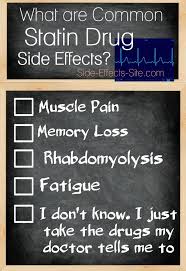
So the final advice for middle aged men who are getting alarming sounding words from their health care professional is this: stop eating processed foods, sweetened drinks, including fruit juices and diet drinks, and increase the amount of food you cook with saturated fats. Bacon and eggs are better for you than sweetened yogurt. Never take a statin drug for lowering cholesterol, because all of those side effects they spend a minute rattling off in the drug commercials totally outweigh any unproven benefit you get from lowering your serum cholesterol in respect to your heart health, and lowering your cholesterol has proven dangerous to other areas of your life.

Think for yourself, man, question authority!

Unknown-2

Posted in Health | Tagged , , , , , , , , , , | Leave a comment

Fat and Fat Are Two Different Things

Fat is not the same as fat. By that I mean that dietary fat, which is one third of the kinds of energy-giving, life-supporting elements of the foods that you eat is not the same as the kind beneath your skin, the kind that you produce as a byproduct of living and eating. The other two thirds of potential energy supplies for your body are carbohydrates and proteins.

Increasing or decreasing the amount of Fat you eat in your diet will not change the amount of fat that you produce in your body. Fat in your body does not come from there. At one time, a long time ago, a ‘scientist’ hypothesized that eating solid fats (butter, lard, suet, tallow) may lead to increased ‘serum cholesterol’. That is the cholesterol that is naturally occurring in your bloodstream. Back then they were worried about middle aged men getting heart attacks. Nobody ever hypothesized that eating fat caused weight gain. Ever. Nobody ever tested the idea that we should eat reduced fat diets against a control group to see what the total outcomes were. The VERY FEW clinical studies that have been done to see what reduced fat intake does have shown that children that are subjected to it have negative health outcomes for it. They are smaller than children that eat higher fat diets. People that intentionally lower their serum cholesterol levels for a long period of time tend to suffer from depression. Their suicide rates are proven to be higher than people who have normal, natural cholesterol levels. People with low cholesterol levels tend to get more cancers.

Processed sugar IS known to cause weight gain. Processed sugar IS known to cause diabetes. Processed sugar and other processed carbohydrates are what we MUST eat if we are to eat less fats. Eating a low fat diet pushes you into eating a high carb diet, as it must be. You must have a certain amount of energy to live, and if you cut one third of it out, to keep the total the same you must increase one or the other third to compensate.

I think it is unfortunate that English calls the fats we eat by the same word as the fat we are. It’s too bad because it makes it too easy to blame fat on fat. If you don’t eat enough fat you have problems with your nerves. Your nerves are made up mostly of fats. Some fats are essential that we eat them, like omega 3 and omega 6. We must have both, and our bodies cannot make these fats, they must be eaten.

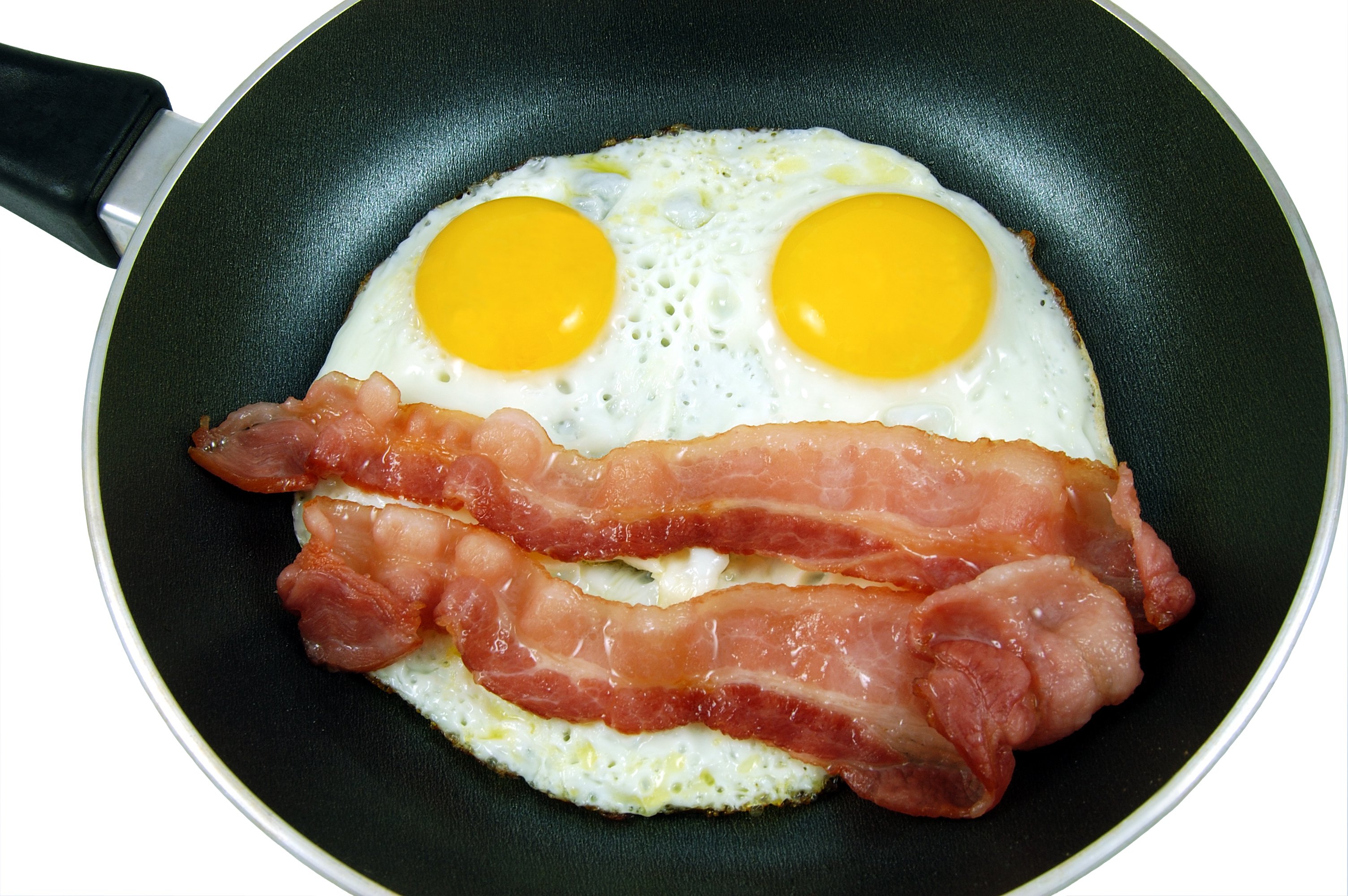
The fatty oils that we cook with are not the same as the saturated fats that we cook with. They are chemically different, and they react differently when heated. If heated properly and never overheated, oils can be safe, but if overheated they become dangerous to our health. Never reuse oil. By that, I mean please throw away the oil that you use to cook with tonight. As soon as the bottle is empty do not buy more oil. Use Lard. Use Butter. These fats are now known to be unharmful. This has been proven to be true. I know it is hard to get your mind around the idea that your sweetened morning yogurt is more dangerous than my bacon and eggs. It has been proven.

animal-fats-bacon-and-eggs

Posted in Health, Living | Tagged , , , , , , , , , , , | Leave a comment

I Pick You Up, I Crack You Open

I pick you up and give a look

I’m guessing what I’ll find
I crack you open and so begins
The filling of my mind
You’re beautiful, you’re long
You bring to me you’re thoughts
And though you’re not expensive
The most valuable thing I’ve bought
I spend many hours enjoying you
When the last page is done
I tell everyone about your gifts
And I grab another one

Now after the obligatory poetic opening to the annual book review post, and without further ado, here are the food and diet books that have come to my attention, and currently reside in either my Kindle or in my iBooks app. Always I purchase books on the recommendation of book reviews in Mother Jones, Salon.com, Slate.com, New York Times or occasionally other random online sources. From time to time friends are ahead of the curve and I will get a good tip for an informative read from a friend. Hopefully this morning you will learn about a new book that I have read and you will make a valuable purchase of your own after you hear my glowing review.

The Nourished Kitchen: Farm to Table Foods for the Nourished Lifestyle, by Jennifer McGruther

orderbook

Here is a short excerpt from the introduction in the book. You will see immediately why this book heads the list of books for this blog…

“Emphasizing whole and minimally processed foods, the traditional foods movement calls you back to the kitchen, to real home cooking, and offers you an opportunity to weave the connections between the food on your table, the time you take to prepare it, and the farms that produce it.”

Excerpt From: Jennifer McGruther. “The Nourished Kitchen.” iBooks. https://itun.es/us/ddxkQ.l

This book is nothing less than a technical manual for how to operate a home kitchen that contains no artificial anything. Tips on fermenting, storing and preparing vegetables, tips on making fermented milk products like yogurt and cheeses, tips on how to live off of the land for four real seasons all grace the pages of this essential “It’s Just That Easy” lifestyle. If you get only one book that I recommend, this may be the most useful. I intend to purchase this one in ‘real’ form, as I look into it frequently.

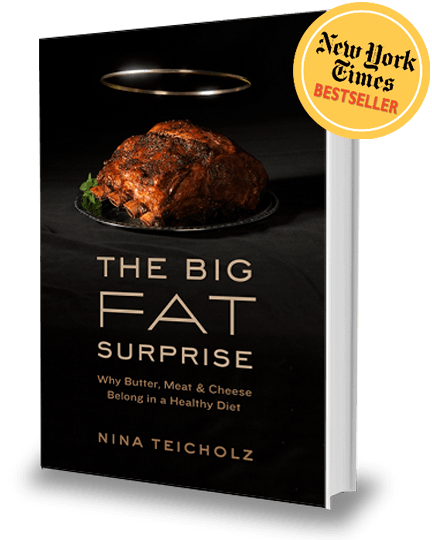
The Big Fat Surprise:Why Butter, Meat & Cheese Belong in a Healthy Diet, By Nina Teicholz

slider1-2

This book is partially read and has been the focus and inspiration for the past couple of weeks of blogging here at One Small Change. I am twenty percent done and one hundred percent convinced that no book is more vital to the health of this nation. Every member of Congress needs a copy of this book (and probably someone to read it to him/her). I may just send three copies, one each, to my Federal representatives in the House and Senate. You will learn an absolute mountain about science, pseudoscience, politics and government. As a side benefit, you will learn, as I have, that there is nothing wrong with eating like your grandparents ate. Eating like people from the 1900’s will actually make you a much healthier AND happier person. The science is in, and it’s not what you hear all of the time on the television.

The Omnivore’s Dilemma:A Natural History of Four Meals, By Michael Pollan

od-3

If memory serves me correctly, this book and the movie Food, Inc. that contains information from this book was the beginning of my awakening to the importance of real food in my life. Until that time I was the typical fattening middle aged man, and I thought that what I was experiencing was what we experience as we age. After reading this I KNEW that I didn’t have to decline slowly or spread out in the middle inevitably. I had the power to learn new things, to eat good things, and to regain my natural weight, my vigor and my health. Read this book and be entertained as the scales fall from your eyes. Do you think I rate this book too highly? I do not. Here is Pollan wondering what could be wrong with a country that it felt like it had to change the national diet every few years…

So violent a change in a culture’s eating habits is surely the sign of a national eating disorder. Certainly it would never have happened in a culture in possession of deeply rooted traditions surrounding food and eating. But then, such a culture would not feel the need for its most august legislative body to ever deliberate the nation’s “dietary goals”—or, for that matter, to wage political battle every few years over the precise design of an official government graphic called the “food pyramid.” A country with a stable culture of food would not shell out millions for the quackery (or common sense) of a new diet book every January.

Pollan, Michael (2006-04-11). The Omnivore’s Dilemma: A Natural History of Four Meals (p. 2). Penguin Group. Kindle Edition.

I actually would recommend any book written by Pollan and I have several, but this first one is really still my favorite of his…

It is silly of me to try and say get this one then that one. I have literally posted these books in the order in which I found them in my eReaders, not in the order that I recommend them. I say that because I would not put the following book last on any list, and I feel bad about it being last even on this random list. I love this book and it is my current most recommended by me book.

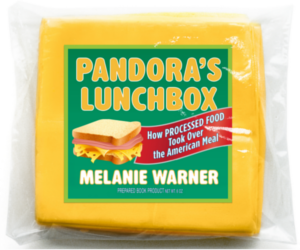
Pandora’s Lunchbox:How Processed Food Took Over the American Meal, By Melanie Warner

BookCoverthumb

Post after post on this blog was inspired by words from this book. I found the investigative aspects incredible, but true. I read with alarm the way the FDA goes about approving Generally Regarded As Safe ingredients to be added to processed foods. Spoiler alert, they just trust the industry that is doing the adding. The entire book is required reading if you are having trouble getting your loved ones to give up their favorite processed foods. It is incredible that this nation has allowed these industries to get so big. I hate the idea of putting so many people out of work that create processed foods, but I don’t feel so strongly about their positions that I would kill myself to do it. I would be killing myself by degrees if I continued to eat like I did just a few years ago.

Well, I hope that you can find the time to read just one of these books in the next year. If you do, then I am certain that this time next year you will be adding one or all of them to your own best reads of the year lists.

Posted in Health, Living, Poetry, Reviews | Tagged , , , , , , | Leave a comment

Tough Row To Hoe

Unknown-3

These next two weeks are probably the toughest two weeks of the year to not eat any sugar or processed foods. If you are just starting your sugar detox then I feel your pain. If you are like me and you are trying to maintain yourself on a sugar free lifestyle, take my advice, it’s only two weeks.

If you eat daily meals, breakfast lunch and dinner that are not processed foods, then your weekly sugar consumption is already WAY below the national average. I realize that eating sugar is like playing with fire. Sugar is an addictive substance that creates cravings for more and more sugar. Sugar lights up the brain like a drug. Sugar causes your gut micro biome to change, creating an environment more and more hospitable to germs that demand more sugar. All that being said, however, we are in a two week period that is hard to avoid sweets in.

Avoiding sugar is not the same as abstaining from it. When you get together with the family on Christmas Day there may be eggnog. Don’t feel guilty when you accept sweet offerings. Don’t feel like you have lost progress or that it means anything more than a sweet, but exceptional treat. That is what it is, the exception. You’re ability to not eat processed foods with added sugar, and not eat Cokes or Diet Cokes with every meal and between meals, means that you are limiting sugar consumption every waking moment. Having a desert or sweet holiday drink is not addictive, because the holidays are not every week. Christmas cookies are but once a year. Candy canes will increase your craving for sugar, as will cookies and hot chocolate, but your cravings have been worse.

I am now well practiced in the work of not allowing momentary temptation to bring me back into a sugar eating habit. It’s very important that you not punish yourself when you accept sweets between now and New Years. It doesn’t say anything about you or your willpower. It doesn’t mean you are week or that you have to ‘start over’. Punishment won’t help you avoid cravings. Punishment won’t make it easier to accomplish your goal of eating real foods, it’s just not necessary.

Enjoy your life, your family, your foods–all of them. Be gracious and spread the good word about your new way of eating. You are more convincing an advocate for living sugar free if you make it look EASY.

Posted in Health, Living | Tagged , , , , | Leave a comment